
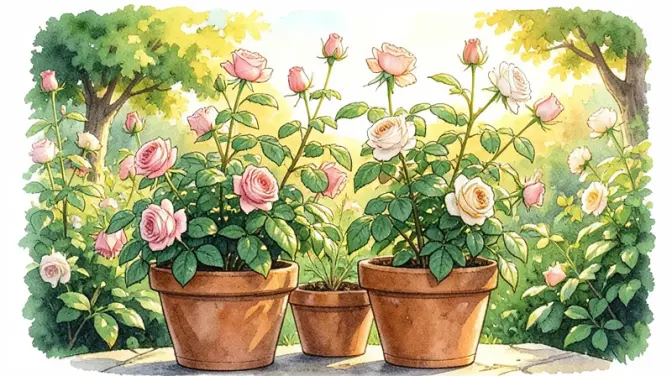
Successfully growing roses in containers requires a deliberate balance between the plant’s natural need for space and the limited boundaries of a pot. While container gardening offers portability and focused design, attempting to grow large, sprawling roses, such as many traditional climbing roses, in small pots often leads to stunted growth, nutrient deficiency, or poor blooms. Achieving sustained success requires strict adherence to structural requirements, careful plant selection, and a highly disciplined care regimen. This guide details the necessary setup and ongoing maintenance to maximize the potential of your container roses.
Essential Container Structure and Setup
The container is more than a decorative element; it serves as the plant’s entire root system and life support system. Its physical characteristics—size, material, and drainage—must be carefully chosen to support a robust, long-term growth cycle.
Pot Size and Depth Considerations
Small containers quickly become restrictive, forcing the root system into a compact, stressful state. For roses, which are substantial feeders and growers, the container must be large enough to support the full root spread. A minimum size of at least two feet in width and two feet in depth is strongly recommended to prevent the plant from becoming pot-bound prematurely.
Drainage and Material Selection
Proper drainage is non-negotiable. Waterlogged soil is the fastest way to kill a rose, encouraging root rot. Ensure all pots possess adequate drainage holes. When selecting materials, durability and water retention capacity are key. Glazed ceramic or concrete pots are excellent choices because they withstand permanent planting and offer robust structural integrity, although they may require more careful watering than plastic or terracotta alternatives.
Choosing the Right Rose for Confined Spaces
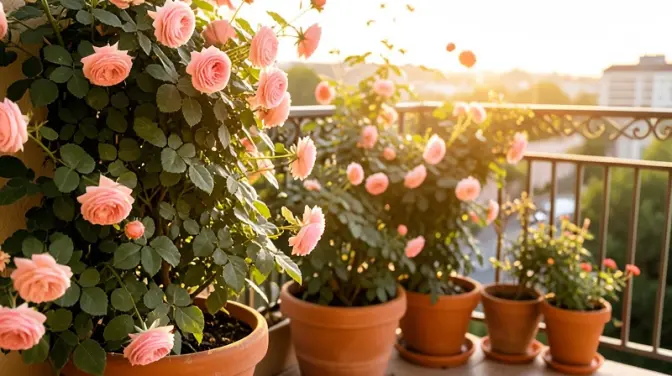
Not all roses succeed equally in containers. For highly vigorous climbers like the Eden rose, managing size and support is paramount. If you opt for a climbing variety, ensure the pot and support structure are scaled appropriately for its mature size, or select a highly compact/dwarf cultivar.
Selection Criteria for Container Success
When choosing your rose, focus on these attributes:
- Compact Habit: Opt for shrub or miniature varieties that naturally maintain a smaller footprint.
- Disease Resistance: Select varieties known for their hardiness and resistance to common fungal issues, which are exacerbated in confined, humid environments.
- Fragrance and Bloom Consistency: Choose types prized for consistent blooming and desirable scents, ensuring the limited space delivers maximum visual impact.
Trellis and Support
For climbing roses, such as the Eden variety, sturdy support is mandatory. Ensure your pot placement includes a suitably strong trellis, arch, or cage that can handle the mature weight and vigorous growth of the rose.
Establishing the Potting Foundation: Soil and Initial Potting
Preparing the Growing Medium
Use a quality, general organic potting mix. This foundational soil should be enriched with compost to significantly enhance the soil’s ability to retain moisture while still allowing for necessary aeration. A homogenous, rich mix is preferable to heavily amended or highly sterile mixes.
Avoiding Early Root Damage
Crucially, do not introduce granular or time-release fertilizers directly into the initial potting mix. These synthetic compounds can burn delicate, newly established root hairs, causing irreversible damage. Focus on providing rich organic matter instead.
Sustaining Container Roses: Watering and Feeding Regimens
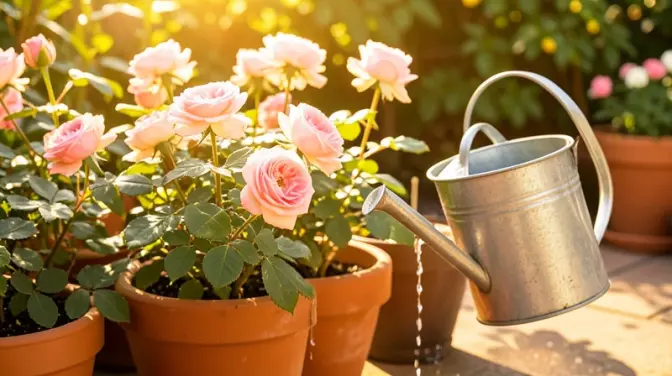
Container roses are fast feeders, meaning their demands are high, especially in hot climates. Successful care relies on a diligent routine for both hydration and nutrient delivery.
Precision Watering Techniques
Roses need consistent moisture, but this requires precision. The goal is to keep the soil consistently damp—moist, but never saturated or soggy. Overwatering is as detrimental as underwatering, as it promotes the exact root rot conditions that confined pots are prone to.
Fertilization Schedule and Type
Fertilization should begin when the rose enters its active spring growth phase. Use a specialized liquid fertilizer (like fish fertilizer) for balanced, easily absorbed nutrients, applying it every two to three weeks after a significant flush of blooms. In cold regions, strictly reduce fertilizer application six to eight weeks before the predicted first hard frost to allow the plant to prepare for dormancy.
Ongoing Maintenance and Long-Term Health
Container roses require continuous, adaptive management to thrive. They are dynamic systems where physical limitations (like root space) must be balanced against their vigorous natural needs.
Managing Growth Limits
It is essential to understand that a rose’s potential is determined by its container. If the rose shows signs of decline, poor blooming, or excessive stress, the primary suspects are usually restricted root space or uneven watering. Rather than fighting these limitations, they signal the need to adjust—either by moving to a larger pot or adjusting the care schedule.
- Prioritize Drainage: Always verify drainage holes, especially after heavy rain or prolonged watering.
- Monitor for Saturation: Use the finger test regularly; the soil should feel moist, but not heavy or waterlogged.
- Respect Climate Cycles: Always adhere to the mandatory reduction of fertilizer application before the onset of cold temperatures. }, }, }, }, }]}
\
Frequently Asked Questions
What minimum size container is required for container roses?
To prevent the rose from becoming pot-bound prematurely, a minimum container size of at least two feet in width and two feet in depth is strongly recommended.
What material is best for growing roses in pots?
Glazed ceramic or concrete pots are excellent choices due to their durability and structural integrity. However, remember that they may require more careful watering than plastic or terracotta.
Should I use granular fertilizers when potting container roses?
No. You should not introduce granular or time-release fertilizers into the initial potting mix, as these synthetic compounds can burn delicate, newly established root hairs.
How should I manage the watering schedule for container roses?
Roses need consistent moisture, but you must ensure the soil is damp—moist, but never saturated or soggy. Overwatering is as harmful as underwatering.
When should I stop feeding my container roses?
In cold regions, you must strictly reduce fertilizer application six to eight weeks before the predicted first hard frost to allow the plant time to prepare for dormancy.
Related Articles