
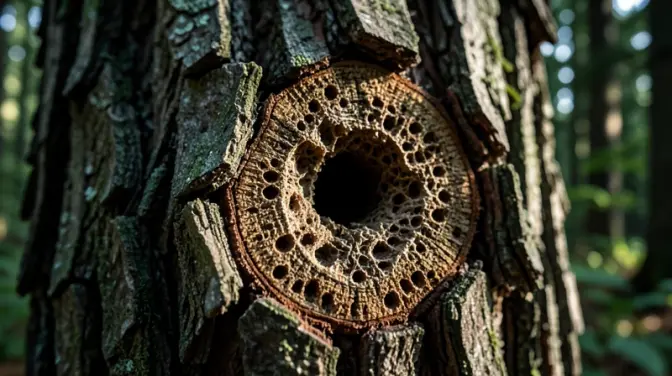
Tree bark is far more than just the rough, external covering of a woody plant; it is a highly specialized, multi-layered biological system. It acts as the primary defense mechanism of the tree, shielding it from extreme environmental stresses, pathogens, and physical damage. For botanists and foresters, the texture, color, and pattern of bark often provides the most reliable diagnostic tool for identifying a species, regardless of the foliage season. Understanding bark requires exploring its complex anatomy—the structural layers that protect and nourish the tree—and the unique functions that allow it to thrive in its environment.
The Anatomy: How Bark is Layered and Functional
When we discuss tree bark, we are referring to a dynamic composite structure. It is not a single skin but a system of different tissues, each with a distinct purpose. The anatomy is generally stratified, moving from the inner, living components to the thick, protective outer layers.
The core components include:
- Cambium Layer: Located just beneath the visible bark, this is the essential growth layer. It continuously produces new cells, which allows the tree’s girth to expand annually.
- Phloem (Inner Bark): This inner layer is the tree’s circulatory system for sugars. It transports starches and sugars produced in the leaves downward to support all parts of the trunk, roots, and branches.
- Xylem (Sapwood): Deeper still, the xylem functions as the plumbing system, transporting water and dissolved minerals upward from the roots to the leaves.
- Periderm and Rhytidome (Outer Bark): As the trunk grows wider, the epidermis (the original skin) is replaced by the periderm. This outer protective layer, often called the rhytidome on mature trees, is primarily composed of dead, suberized cork cells. This thick, tough outer layer is the tree’s primary shield against desiccation and physical harm.
Vital Functions of Bark Tissue
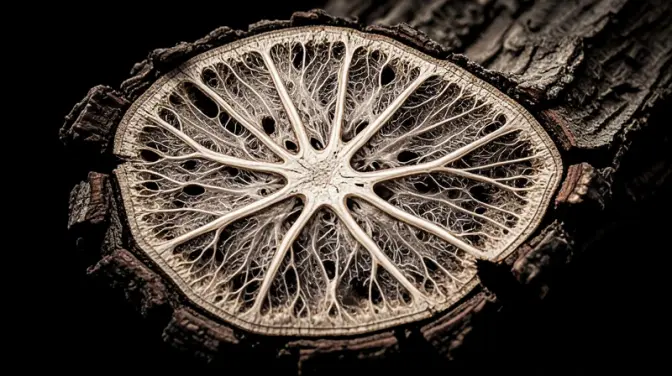
The complexity of its structure allows bark to execute a wide range of critical functions, including physical protection, nutrient transport, and biochemical defense.
Physical and Environmental Protection
The outer cork layer is specifically designed to prevent extreme environmental threats. By being dense and often suberized, it acts as a highly effective waterproof and anti-microbial barrier, shielding the tree from drying out (dehydration), fire, and external microbial invasion.
Furthermore, bark provides crucial thermal insulation, helping the tree manage temperature extremes and stabilize internal conditions, especially in harsh environments.
Nutrient Transport and Support
The internal bark systems are responsible for the tree’s lifeblood. The phloem is constantly engaged in transporting energy (sugars) from photosynthetic leaves down to the root system and other growing tissues. Simultaneously, the xylem delivers the necessary water and mineral nutrients required for metabolic processes and structural integrity throughout the entire plant.
Chemical and Ecological Defenses
Bark is a repository of complex biochemical defenses. Many species utilize specific phytochemicals, such as tannins, resins, and bitter compounds, which actively deter grazing animals, insects, and parasitic fungi. Ecologically, the texture and fissures in the bark provide critical microhabitats. These crevices support various invertebrates, lichens, and specialized epiphytes, forming a complex, symbiotic ecosystem on the trunk.
Using Bark for Tree Identification
For foresters and field botanists, identifying a species by its bark is often the quickest and most definitive method, as these characteristics are stable and remain visible regardless of seasonal leaf changes.
Key Identification Criteria
When examining tree bark, look for these consistent characteristics:
- Color and Texture: Is it smooth, rough, flaky, or mottled? The specific shade of gray, brown, or reddish hues is a key identifier.
- Pattern and Growth Type: Observe how the bark has expanded with the tree’s growth. This can be vertical crackling, peeling in horizontal strips, irregular plating, or uniform smoothness.
- Lenticels: These are distinctive pores that allow for controlled gas exchange through the outer bark. The size, distribution, and shape of lenticels can be unique to a species.
Distinguishing Bark Features
Bark patterns often relate to the stresses the tree endures. For example, a smooth, continuous surface may indicate a certain slow-growing or climate-adapted species, while deeply furrowed or plated bark suggests a different growth habit. The layered structure of the old bark, known as the rhytidome, develops as the trunk increases in diameter, creating unique concentric or irregular ridges.
The Impact of Bark Damage and Practical Uses
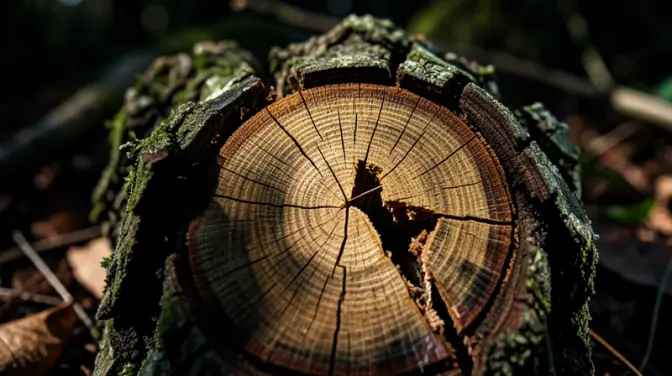
Damage to the bark carries serious consequences for the tree’s health. Because the phloem is housed within the bark, any physical disruption can halt essential nutrient transport, leading to decline. This is particularly true with practices like girdling, where a ring of bark is removed around the trunk, completely disrupting the flow of sugars and nutrients and potentially causing the tree’s rapid death.
Practical and Historical Applications
Beyond its biological role, tree bark holds significant value:
- Building Materials: Some species are used historically for their durable, rugged exterior.
- Specialized Products: Bark is a source for valuable materials like cork (used for sealing) and tannins (used in tanning leather).
- Ecological and Culinary Uses: While highly variable by species, certain inner bark layers (phloem) have historically been utilized as edible food sources, especially during periods of scarcity, and certain bark types possess medicinal or pesticidal phytochemical properties.
The ability of a tree to repair itself—creating protective callus growth around wounds—varies greatly. A tree’s capacity to recover from damage is as unique and species-specific as its bark pattern.
Synthesizing Bark’s Role
Ultimately, tree bark serves as the comprehensive security system of the plant. It is the essential interface between the tree’s internal life processes and the external pressures of the environment. When assessing a tree, remember that the bark is not a static casing; it is a complex, chemically active organ that protects, regulates, and sustains life. Its pattern and chemistry provide not only vital protection against pathogens and drought, but also indispensable clues for botanical identification and ecological study. }, }, }, }\
Frequently Asked Questions
What is the primary function of tree bark?
Tree bark is a specialized, multi-layered biological system that acts as the tree's primary defense mechanism. It shields the tree from extreme environmental stresses, physical damage, and pathogens.
What are the main functional layers within tree bark?
The layers include the cambium (which allows for annual growth), the phloem (which transports sugars/energy), the xylem (which transports water and minerals), and the periderm/rhytidome (the tough, outer protective shield).
How can I use bark to identify a tree species?
Foresters look for consistent characteristics such as the specific color and texture (e.g., smooth or flaky), the pattern of expansion (vertical or horizontal), and the presence and distribution of unique pores called lenticels.
Why is damage to a tree's bark so dangerous?
Because the phloem—the layer that transports sugars and essential nutrients—is housed within the bark, physical disruption can halt the flow of lifeblood, potentially causing the tree to decline or die.
Related Articles