

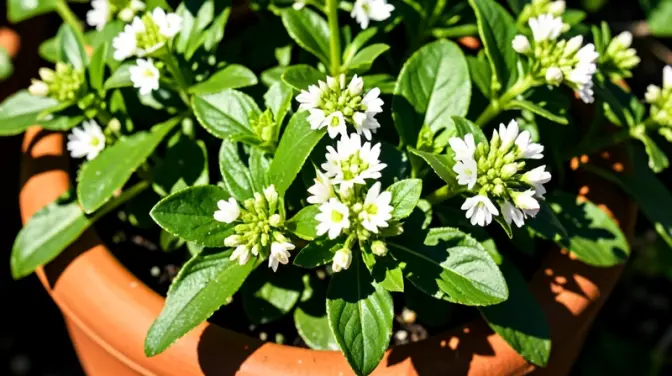
Sage (Salvia species) is prized not just for its stunning, diverse blooms, but for the intensely aromatic leaves that define its cultivation. As a hardy, adaptable perennial, it offers textural interest and vibrant color to the landscape while naturally attracting pollinators like hummingbirds and butterflies. Successfully growing these aromatic plants requires understanding their specific needs, particularly regarding sun exposure and water management. This guide outlines the precise care regimen needed to ensure your sage develops robust foliage, strong essential oil production, and prolific blooms during the spring and summer seasons.
Establishing the Ideal Environment for Sage
Before planting, establishing the right environment is critical. Sage thrives on specific conditions that align with its Mediterranean origins, making careful site selection essential for vibrant health.
Light and Heat Requirements
Sage requires full sun to achieve its best potential. While some species can tolerate partial shade, intense sunlight is necessary to activate the essential oils responsible for its strong aroma and to encourage dense blooming. Providing at least six hours of direct sunlight daily allows the plant to photosynthesize optimally, resulting in the boldest coloration and strongest scents.
Soil and Drainage Imperatives
These plants are highly adaptable, but they fundamentally prefer well-draining, lean soil. Sage species are prone to root rot in consistently wet conditions. Whether you are planting in a garden bed or in containers, ensure the soil structure allows excess water to escape quickly. A mixture incorporating sand, gravel, or pumice can significantly improve drainage, especially if you are planting in heavy clay.
Temperature and Hardiness
As a hardy perennial, sage can survive a wide range of temperatures, but it appreciates warmth. The full range of its tolerance means it can often handle diverse microclimates. However, extreme fluctuations or prolonged cold periods should be accounted for, especially when selecting tender or newly acquired varieties.
Watering and Feeding Strategies
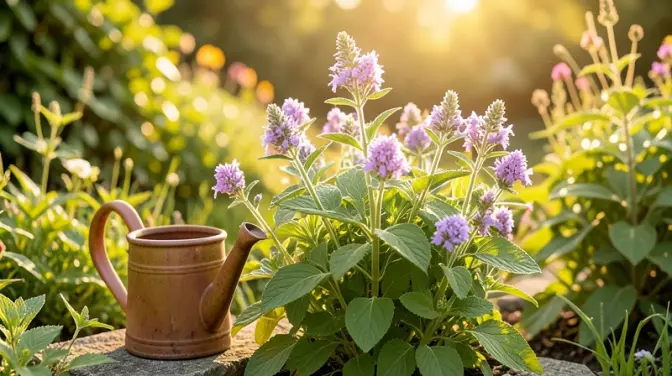
One of the most common mistakes when cultivating sage is overwatering. Because sage has low water requirements and naturally possesses a velvety, dense foliage (covered in protective trichomes), it is exceptionally drought-tolerant once established.
Implementing Smart Watering Techniques
Deep, infrequent watering is the preferred method. Instead of light sprinkling every day, water thoroughly until it drains out the bottom of the pot or saturates the root zone in the ground, and then allow the soil to dry out significantly before watering again. This practice encourages deep root growth, which is vital for drought resistance and overall plant strength.
Practical Tip: Check the soil moisture level by inserting a finger two to three inches deep; if it feels dry, it is time to water. In hot, arid climates, monitor plants closely, as even drought-tolerant sages may require supplementary water during periods of extreme heat.
Check the soil moisture level by inserting a finger two to three inches deep; if it feels dry, it is time to water. In hot, arid climates, monitor plants closely, as even drought-tolerant sages may require supplementary water during periods of extreme heat.
Fertilization and Nutrient Management
Sage generally requires minimal supplemental feeding. Excess nitrogen can encourage lush, soft growth at the expense of flowering and essential oil concentration. If the plant appears lackluster in poor soil, use a balanced, low-nitrogen, slow-release fertilizer sparingly, ideally in early spring. Avoid heavy feeding during the active blooming phase, as this can dilute the intensity of the blossoms.
Maintenance for Maximal Blooms and Aroma
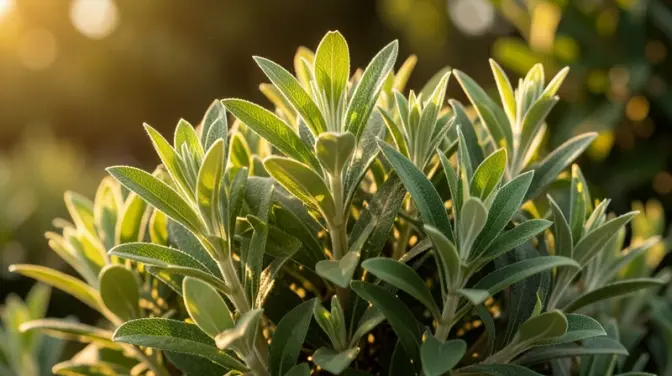
To achieve peak vigor and ensure continuous blooming, regular maintenance focusing on pruning and deadheading is essential.
Pruning for Shape and Health
To keep sage tidy and encourage branching rather than vertical stretching, implement controlled pruning, particularly after the initial flush of spring growth. Select mature, healthy foliage and trim back the main stems. This shaping technique not only improves aesthetic appeal but also promotes the development of new growth, which concentrates the aromatic volatile oils. Pruning is also essential to manage the plant’s mature size, typically keeping it within the 1 to 3-foot range.
The Role of Deadheading
Deadheading—the removal of spent flower spikes—is crucial for sustained blooming. When sage has completed its cycle, remove the dried, faded blooms. This signals to the plant that its reproductive cycle is finished, prompting it to put energy back into producing new flower spikes and continued vegetative growth throughout the summer months.
Troubleshooting Common Sage Issues
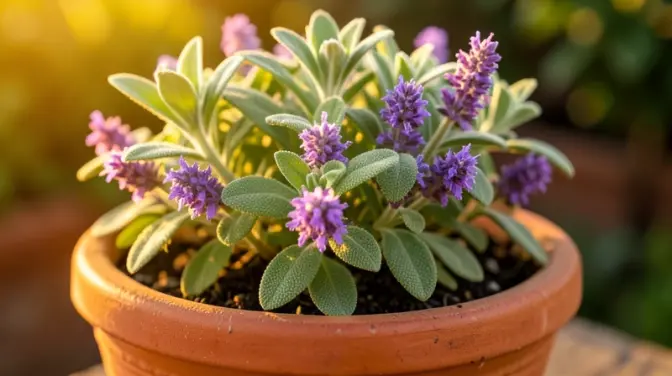
Although robust, sage can face issues. Vigilant inspection is the best defense against pests and disease.
Pest and Disease Management
Sage is generally resistant to most major garden pests. However, keep an eye out for aphids or spider mites, which may target the dense foliage. If pests are detected, manually remove them or treat localized infestations with insecticidal soap. Since sage is highly aromatic, its strong scent often acts as a deterrent to many garden pests.
Understanding Watering Stress vs. Root Rot
The distinction between underwatering and overwatering is paramount. Symptoms of underwatering include wilting and dry leaf edges. Symptoms of root rot, usually caused by poor drainage, manifest as yellowing, soft leaves and visible decay near the base of the stem. If signs of rot appear, immediately halt watering and improve drainage, potentially repotting the plant into a drier substrate.
Cultivation Synthesis: Key Strategies for Peak Sage Performance
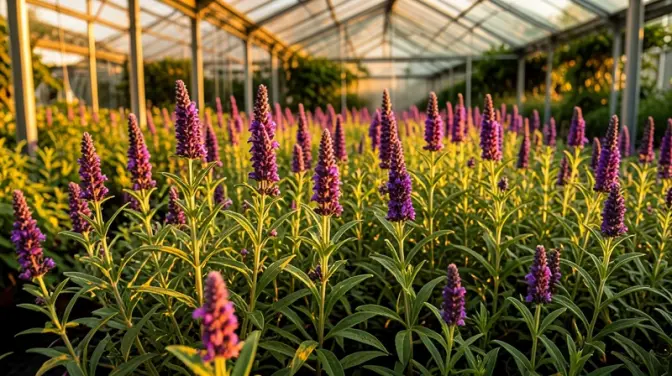
To cultivate a truly stunning and aromatic sage, prioritize excellent drainage and consistent sun exposure. Avoid the temptation to water heavily; rely on the plant’s inherent drought tolerance. Implement regular deadheading and selective pruning not merely for tidiness, but as an active strategy to stimulate continuous bloom cycles and maximize the production of those distinctive essential oils. By meeting its needs for sharp sunlight and lean, well-drained soil, your sage will become a vibrant, fragrant focal point in any landscape. }, }, }, }]}
\
Frequently Asked Questions
How much sunlight does sage require to bloom well?
Sage requires full sun to achieve its best potential. Intense sunlight, ideally at least six hours of direct sunlight daily, is necessary to activate essential oils and encourage dense blooming.
What is the preferred soil type for cultivating sage?
Sage prefers well-draining, lean soil, as it is prone to root rot in consistently wet conditions. Adding sand, gravel, or pumice can significantly improve drainage.
How should I water a sage plant?
Sage is drought-tolerant, so deep, infrequent watering is preferred. Water thoroughly until it drains out, then allow the soil to dry out significantly before watering again.
What is the purpose of deadheading sage?
Deadheading—removing spent flower spikes—signals to the plant that its reproductive cycle is finished, prompting it to put energy back into producing new flowers and vegetative growth throughout the summer.