
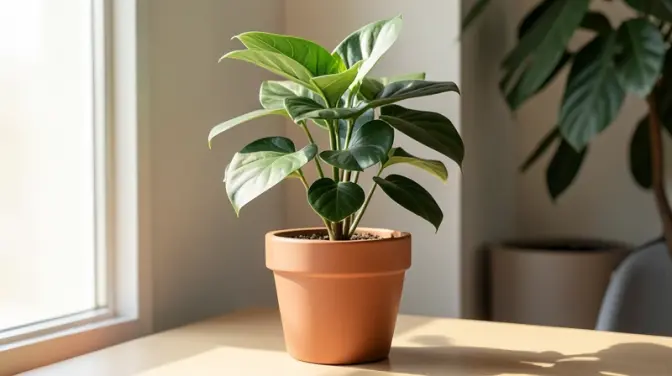
The Ficus Audrey is a highly sought-after tropical indoor specimen, recognized for its elegant foliage and striking white trunk. While often praised as a robust and adaptable alternative to more temperamental varieties, this stunning tree still demands specialized and attentive care to thrive indoors. Unlike many resilient houseplants, the success of the Ficus Audrey depends heavily on consistent environmental control and meticulous watering practices. This guide provides a definitive roadmap for meeting the specialized needs of this elegant plant, focusing on optimizing light, managing water saturation, and preventing common health issues.
Achieving optimal health with the Ficus Audrey requires continuous observation, not adherence to a strict schedule. Understanding its specific tropical needs allows you to create a supportive environment that encourages robust, architectural growth.
Optimizing Light Requirements
As a native of Asia, the Ficus Audrey thrives best in bright, indirect light. This type of light provides the necessary energy for lush growth without the damaging intensity of direct midday sun, which can scorch its leaves. Positioning the plant near an East, South, or West-facing window is ideal, allowing for gradual light exposure throughout the day.
For smaller plants, general bright indirect light is sufficient. However, if you are cultivating a large specimen (those reaching 3.5 feet or more), the requirement for light increases significantly to maintain mature, dense foliage. If the plant begins to exhibit leggy growth or stretches toward the light, it is a clear signal that the light intensity needs to be increased.
It is crucial to shield the Ficus Audrey from prolonged, intense afternoon direct sunlight. While it prefers brightness, the unfiltered UV rays can stress the leaves and hinder overall health.
Precision Watering and Drainage
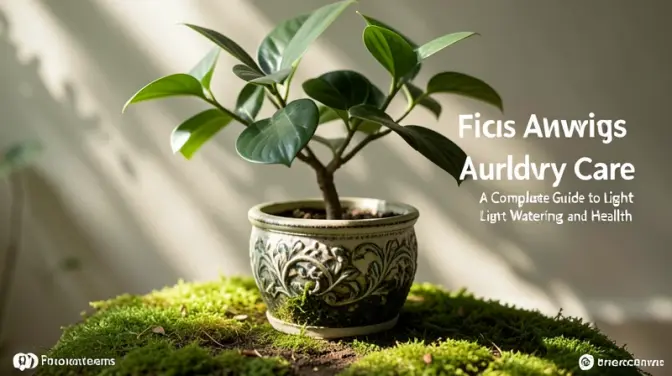
Watering is universally cited as the most common point of failure when caring for the Ficus Audrey. The fundamental principle is to keep the soil consistently moist, but never allowed to become saturated or soggy. Overwatering is the primary killer of this plant; it is highly susceptible to root rot when trapped in overly wet conditions.
Never adhere to a rigid watering schedule. Instead, determine the plant’s need by checking the soil. The moisture content will vary based on the size of the pot, the ambient humidity, and the season. The general rule of thumb is to monitor the top inch or two of soil. Water thoroughly only when this top layer begins to dry out.
When watering, always ensure that the pot has excellent drainage holes. Allow the excess water to drain completely before returning the pot to its saucer, preventing the roots from sitting in standing water.
Preparing the Ideal Growing Medium
Because of its heavy, moisture-loving nature, the Ficus Audrey requires a well-draining but still moisture-retentive soil mix. A standard potting mix alone is often too dense. To achieve the ideal balance, amend your standard potting mix with materials like perlite, coarse sand, and bark chips. This composition increases aeration, ensuring that oxygen reaches the root system and significantly reduces the risk of waterlogging.
Environmental Control and Growth Maintenance
As a tropical plant, the Ficus Audrey requires stable conditions. It must be kept in an environment where the temperature remains consistently warm, ideally above 65°F. Fluctuations in temperature or drastic drafts caused by AC or heating vents can severely stress the plant, leading to leaf drop and decline.
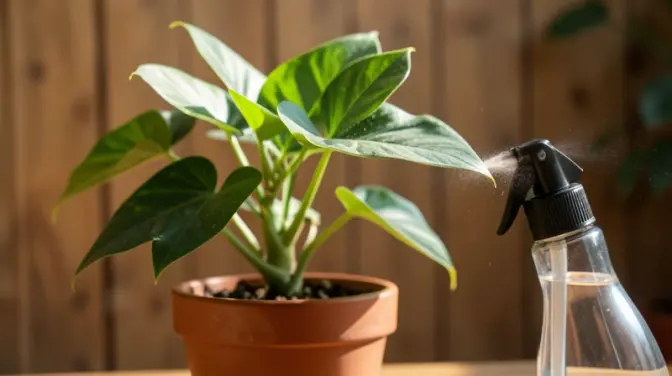
Humidity is another vital factor. Tropical environments require high moisture levels. If your indoor climate is too dry, consider placing a humidifier nearby or periodically misting the foliage. Increasing ambient humidity helps the plant retain water more efficiently and keeps the leaves healthy.
Structural Maintenance: Pruning should be undertaken during the spring or summer. Strategic pruning, performed above a node, is effective for managing the tree’s size and encouraging denser, more branched growth, transforming a tall, sparse structure into a fuller, more robust display.
Troubleshooting and Health Management
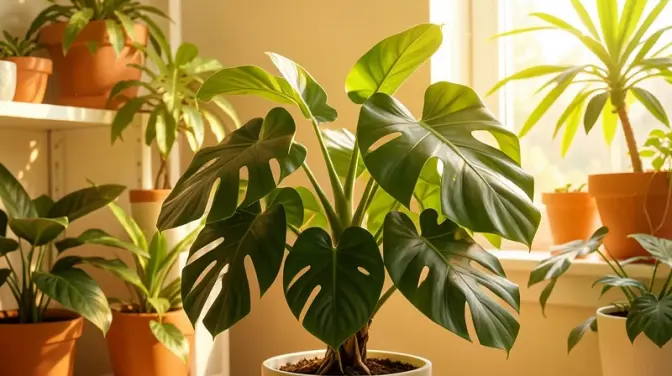
Even a robust plant like the Ficus Audrey can face challenges. Recognizing the symptoms of distress allows for quick and effective intervention, primarily concerning hydration and environment.
Even a robust plant like the Ficus Audrey can face challenges. Recognizing the symptoms of distress allows for quick intervention.
Hydration Risks: Recognizing Watering Indicators
The most frequent symptoms of poor care relate directly to hydration:
- Leaf Yellowing/Dropping: This is often a symptom of inconsistent watering. While slight yellowing can signal under-watering, persistent, soft yellowing usually indicates overwatering and the onset of root stress.
- Dry, Crisp Leaves: This is typically a sign of environmental dryness or under-watering.
Remember the key tolerance: Ficus Audrey plants are generally more tolerant of a period of underwatering than they are of being left in chronically soggy soil.
Pest Detection and Treatment
Small sap-sucking pests are common indoor plant companions. Be vigilant for mealybugs (white, cottony masses), scale (small, hard brown bumps), and aphids. Early detection is key. These pests are manageable through routine inspections and treatment. A simple application of insecticidal soap or neem oil is usually effective, ensuring you thoroughly coat the affected areas, including the undersides of the leaves.
Repotting Strategy and Timing
While the Ficus Audrey is resilient, it is not immune to root restriction. Repotting should be performed during the spring or fall to coincide with the plant’s active growth cycle. When selecting a new pot, choose one that is only 2-3 inches wider than its current container. Oversizing the pot can retain excessive moisture, leading to root rot. When moving the plant, take care to handle the root ball gently; do not remove all the surrounding soil, as this can cause unnecessary stress.
Summary of Essential Care Priorities
To ensure the long-term health and elegant display of your Ficus Audrey, prioritize the following concepts: consistency, observation, and drainage. Do not rely on a schedule; instead, let the soil’s moisture level dictate your watering. Maintain stable warmth and humidity, and use bright, indirect light as the foundation of its environment. By focusing on these preventative measures and promptly addressing any signs of pest infestation, you can successfully cultivate a sculptural, lush, and enduring feature piece for your interior space.
Related Articles