
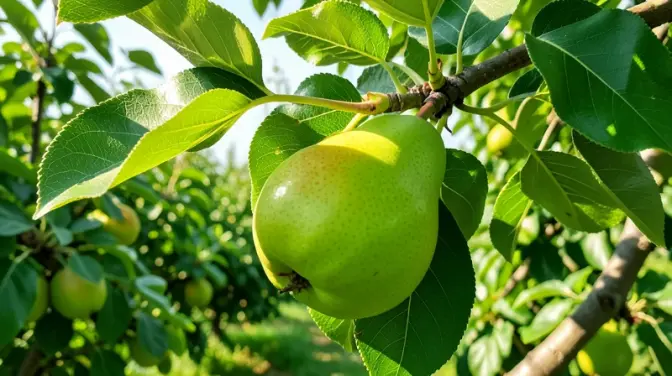
The nashi pear (*Pyrus pyrifolia*), commonly known as the Asian or Japanese pear, presents a distinctive culinary and horticultural profile that sets it apart from European varieties. Defined by its round, crisp, and grainy texture, this pear is deeply rooted in East Asian culinary traditions, where it is highly valued not only for its sweet, refreshing flavor but also for its versatility in savory dishes. This guide provides a detailed overview of the nashi pear, covering everything from its diverse types and ideal growing conditions to sophisticated uses in modern cooking and proper post-harvest management.
Nashi Pear Characteristics and Varieties
Understanding the distinct traits of the nashi pear is key to selecting the right cultivar for your growing environment.
Unlike the more angular, often softer European pears, the nashi pear is characterized by its compact, round shape, high water content, and firm flesh. When consumed raw and peeled, it delivers a notably crisp experience. While the species is broadly adaptable, horticulturalists often categorize cultivars to distinguish between visual characteristics and flavor profiles. The fruit’s specific appearance can help orient the grower:
- Akanashi Group: These cultivars are recognized by their yellowish-brown rinds.
- Aonashi Group: These varieties typically exhibit a distinct yellow-green rind color.
A prime example of a reliable cultivar is the Ichiban Nashi. This variety is valued for being one of the earliest ripening types. It possesses a bright golden skin with slight russeting and delivers a satisfyingly crisp and sweet flesh. Furthermore, it demonstrates good post-harvest qualities, allowing it to store well for approximately four to six weeks.
Nashi Pear Cultivation Guide: Growing Success
Successfully cultivating nashi pears requires attention to specific climate and growing conditions. These trees are known for their adaptability across various regions, provided their core needs are met. The tree typically matures to a height of 10–15 feet and is hardy in USDA Zones 4–9.
Ideal Environmental and Planting Conditions
For optimal growth, the nashi pear needs predictable and adequate environmental inputs:
- Sun Exposure: Requires full to half-day sun exposure.
- Soil: Thrives best in well-drained soil. A vigorous rootstock, such as Pyrus betuaefolia, is often utilized to assist in adapting the pear to diverse soil types.
- Maturity: The trees are prolific, often producing fruit within one to two years of planting, and are capable of producing a high yield, often exceeding 50 lbs.
Addressing Pollination and Pests
A critical element of nashi pear cultivation is pollination. Nashi pears require cross-pollination. This means that successful fruiting is achieved either through cross-pollination between different nashi pear varieties or by pairing the pear tree with an early blooming European pear variety.
A significant advantage of certain cultivars is their resistance to common issues like fire-blight, which simplifies the management of pest and disease control.
Optimizing Harvest and Storage Protocols
Due to the nashi pear’s high water content and crisp texture, specific handling techniques are essential for minimizing damage during harvest and transport.
Handling and Post-Harvest Care
Nashi pears are naturally prone to bruising. Therefore, careful handling is paramount from the moment of harvest. Damage during this stage severely impacts the fruit’s shelf life and appeal.
Optimizing Cold Storage
When storing the nashi pears for longer periods, maintaining a cold and dry environment is necessary to maximize freshness. With proper storage, the fruit can retain its quality and juiciness for several weeks, extending the harvest window.
Culinary Versatility of Asian Pears
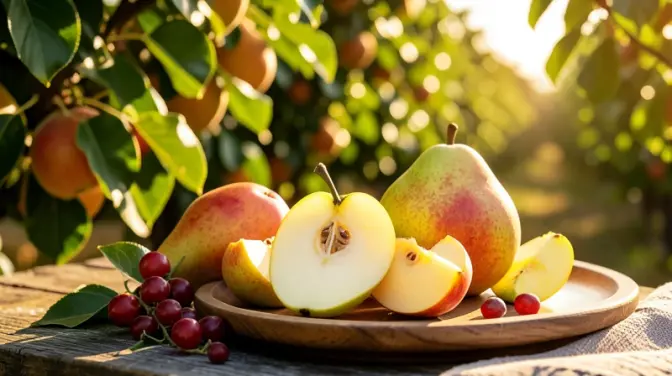
Beyond their refreshing quality when eaten fresh, the firm, sweet flesh of the nashi pear makes it an incredibly adaptable ingredient in Asian and fusion cuisines. It can be utilized both as a standalone fresh component or integrated into highly savory dishes.
Raw and Sweet Applications
When consumed raw, the pear serves as a delicious, naturally sweet addition to fresh fruit salads. Furthermore, due to its sweet profile, ground nashi pear is frequently incorporated into East Asian cooking as a natural sweetener within complex flavor profiles, particularly those based on soy or vinegar sauces.
Savory Uses and Tenderization
A unique culinary application of nashi pear lies in its enzymatic properties. The fruit contains enzymes that, when used in marinating processes, can naturally tenderize proteins, particularly beef. This adds a layer of nuanced sweetness and texture to savory preparations. Culturally, serving nashi pears, particularly high-quality varieties, is a traditional practice of hospitality and a luxurious gesture in many East Asian societies.
Practical Priorities for the Aspiring Grower
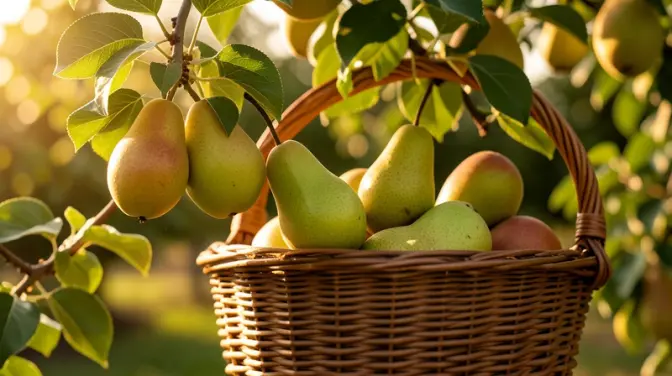
For aspiring growers and chefs, success hinges on maximizing yield through cultivation foresight and managing post-harvest care. Remember that successful fruiting relies absolutely on proper cross-pollination. By implementing gentle handling protocols and leveraging the pear’s unique sweetness, you can fully harness the nashi pear in both your garden and kitchen. }, }, }, }, }]}
\
Frequently Asked Questions
What are the defining characteristics of the Nashi Asian Pear?
The Nashi pear is characterized by its compact, round shape, high water content, and firm, crisp flesh. It has a refreshing, sweet flavor and is deeply rooted in East Asian culinary traditions.
What environmental conditions are needed for successful Nashi pear cultivation?
Nashi pears require full to half-day sun exposure and thrive best in well-drained soil. They are hardy in USDA Zones 4–9 and can produce high yields.
Is cross-pollination necessary for Nashi pears to fruit?
Yes, nashi pears require cross-pollination. This means successful fruiting is achieved either by pairing different nashi varieties or by using an early blooming European pear variety.
How should I store Nashi pears to maintain their quality?
To extend the harvest window and maximize freshness, Nashi pears must be stored in a cold and dry environment. Proper care is essential as they are naturally prone to bruising.
What are some unique culinary uses for the Nashi pear?
Beyond eating fresh, Nashi pear is sweet enough to be incorporated as a natural sweetener in East Asian dishes. Its enzymes can also be used in marinades to naturally tenderize proteins like beef.
Related Articles